

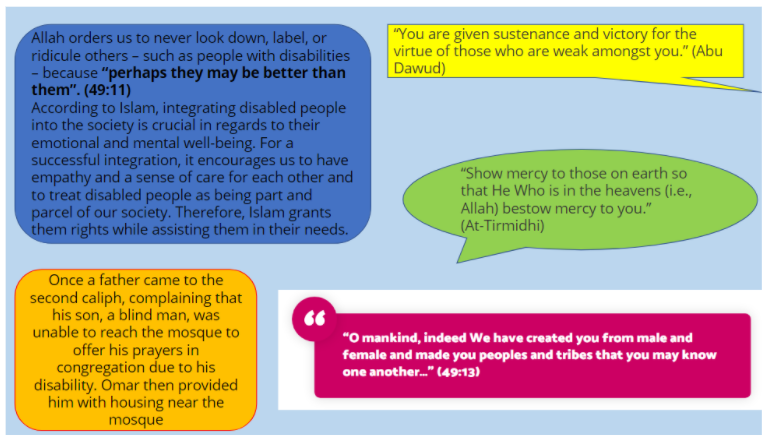
At Al Aqsa school we recognise our Islamic duty to fully involve all individuals as being part and parcel of our society. We believe that Islam grants rights to people with disabilities and special educational needs and expects us to provide them with assistance in removing barriers to learning.
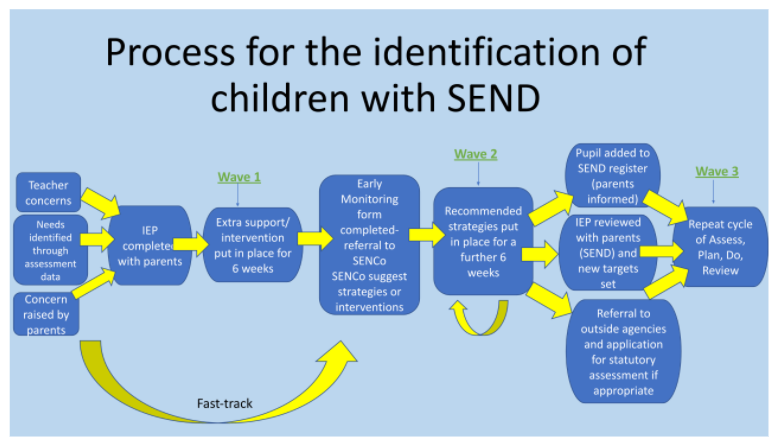
We are proud of our welcoming and inclusive practice and provide a broad and balanced curriculum for all pupils. Our first response to all needs is high quality teaching with ongoing assessment. Should your child encounter barriers in accessing the curriculum, please be assured that we will fully involve you in decisions at every stage Insha’Allah.
Our SENCO is Ablah Jenny, who has nearly 5 years’ experience as SENCO for Primary and Early Years at Al Aqsa. She is currently completing the NASENCO award with Northampton University. Her role is to coordinate provision for children with SEND across the school. She liaises with staff, parents and carers and external agencies to ensure that support is co-ordinated and targeted appropriately. We rely on parents’ help and support too: if you are aware that your child has any kind of difficulty please inform the school at the earliest opportunity Insha’Allah.
Where children and young people learn at a slower pace than others their age, they may:
The term ‘learning difficulties’ covers a wide range of needs, including moderate learning difficulties (MLD), severe learning difficulties (SLD) and profound and multiple difficulties (PMLD). Specific learning difficulties (SpLD) such as dyslexia, dyspraxia and dyscalculia come under this term.
Where children and young people learn at a slower pace than others their age, they may:
The term ‘learning difficulties’ covers a wide range of needs, including moderate learning difficulties (MLD), severe learning difficulties (SLD) and profound and multiple difficulties (PMLD). Specific learning difficulties (SpLD) such as dyslexia, dyspraxia and dyscalculia come under this term.
Where children and young people learn at a slower pace than others their age, they may:
The term ‘learning difficulties’ covers a wide range of needs, including moderate learning difficulties (MLD), severe learning difficulties (SLD) and profound and multiple difficulties (PMLD). Specific learning difficulties (SpLD) such as dyslexia, dyspraxia and dyscalculia come under this term.

Children and young people who have visual and/or hearing impairments, or a physical need may need additional ongoing support and/or equipment.
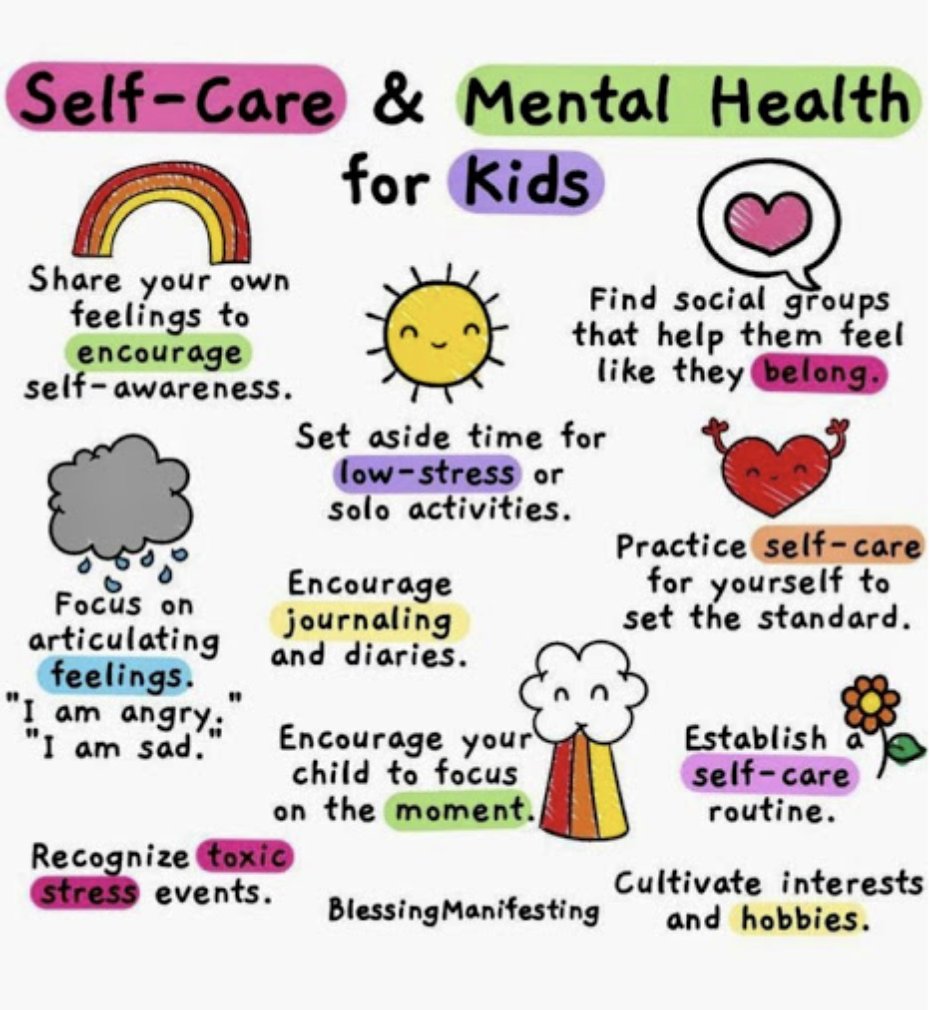
Children and young people may experience a wide range of social and emotional difficulties which present themselves in many ways. They may:
This broad area includes attention deficit disorder (ADD), attention deficit hyperactivity disorder (ADHD) or attachment disorder. It also includes behaviours that may reflect underlying mental health difficulties such as anxiety, depression, self-harming and eating disorders.
We are also able to access support from the Learning, Communication and Interaction Team (LCI) and Social, emotional and mental health team on a traded basis as we are an independent school

